Cool evenings in the UAE felt surprisingly sharp.
Air-conditioning carried that chill into malls and homes.
A warm bowl often softened the whole day, almost quietly.
This guide shared how those bowls comforted, and how to find them.
Quick Answer / TL;DR
In short: the UAE’s soup culture felt like a gentle bridge between desert heat and cooler nights, and the most “healing” bowls usually relied on slow broth, steady spices, nourishing legumes or grains, and simple sides that made the meal feel complete.
Table of Contents
- This intro explained why soups mattered in the UAE.
- This context section defined “healing bowls” in simple terms.
- This main body followed a step-by-step pattern for enjoying UAE soups.
- This common mistakes section showed what ruined a good bowl.
- These examples and templates gave usable checklists and scripts.
- This FAQ section clarified common soup choices and moments.
- This summary and CTA wrapped everything into one easy next step.
Intro
The UAE often looked like the sun and speed. The roads shimmered. The towers reflected light like mirrors. Still, the evenings sometimes turned cool, and the indoor air felt colder than expected, in a way. A warm bowl made sense in that contrast.
Soups also carried comfort without drama. They filled the stomach gently. They calmed down in a tired mood after long traffic. They also worked for busy kitchens, because a pot fed many people. That steady usefulness made soups quietly important.
Context / Definitions
The “soupy side” of the UAE described a pattern of eating that leaned on broth, steam, and spice. It showed up in homes, cafeterias, and hotel buffets. It also showed up during Ramadan and family gatherings, where warm starters felt respectful and soothing. That food rhythm felt slow, even inside a fast city.
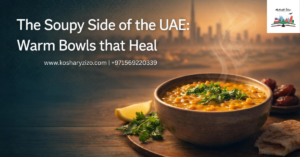
“Healing bowls” did not mean medical claims in this context. They usually meant food that felt restorative and gentle. The bowl often carried hydration, warmth, salt, and soft texture. A simple example stayed clear: a person arrived home late, warmed a spiced lentil soup, and felt their shoulders loosen a bit. That small shift mattered, to be honest.
Main Body
Step 1: A good bowl started with the broth and the pace
A truly comforting soup often began before hunger even arrived. The pot warmed the kitchen air. Steam carried cumin, pepper, and a faint tang of lemon. The broth simmered slowly, and the mood softened along with it, at the same time. That pace mattered more than fancy ingredients.
- What to do: The cook started with a simple stock and let it reduce.
- Why it worked: Slow simmering pulled flavor out gently and evenly.
- Example/tools: A heavy pot and a steady low flame did the work.
- Mistakes to avoid: The cook avoided boiling hard, because bitterness crept in.
Step 2: The bowl felt “UAE-warm” when spice stayed balanced
Spice in the UAE often leaned aromatic rather than aggressive. The scent felt round and welcoming. Some bowls carried mild heat, and other bowls carried only warmth from pepper and ginger. The key idea stayed balanced, not punishment, in the mouth.
- What to do: The cook used spices in layers, not all at once.
- Why it worked: Layering kept flavor deep while staying gentle.
- Example/tools: Toasted spices, a squeeze of citrus, and fresh herbs helped.
- Mistakes to avoid: The cook avoided too much dried spice, because it turned dusty.
Step 3: Legumes and grains made the soup feel like a meal
A healing bowl often needed substance. Lentils, chickpeas, rice, or wheat gave the soup a grounded feel. The texture turned creamy or hearty, depending on cooking time. That body made the bowl feel like a real dinner, not only a starter, in a simple way.
- What to do: The cook added legumes early and stirred patiently.
- Why it worked: Slow cooking softened the bite and thickened the broth.
- Example/tools: A blender pulse smoothed part of the pot for silkiness.
- Mistakes to avoid: The cook avoided undercooking grains, because it felt gritty.
Step 4: Protein bowls stayed comforting when they stayed tender
Some UAE-style soups lean on chicken, lamb, or seafood. The broth tasted richer, and the aroma felt fuller. The best bowls kept the protein tender and easy to eat. That tenderness made the bowl feel kind, especially after a long day.
- What to do: The cook added protein later and watched the timing closely.
- Why it worked: Shorter cooking prevented dryness and stringy texture.
- Example/tools: Gentle poaching kept chicken moist and calm.
- Mistakes to avoid: The cook avoided high heat, because meat tightened fast.
Step 5: The side dishes turned soup into a small ritual
A bowl rarely arrived alone. Bread, dates, lemon, herbs, and pickles often waited nearby. That little spread changed the experience. The crunch, the tang, the softness, and the warmth worked together, which felt oddly complete.
- What to do: The host served soup with one bread and one bright side.
- Why it worked: Contrast made each spoonful feel new again.
- Example/tools: Flatbread, toasted croutons, or rice on the side worked well.
- Mistakes to avoid: The host avoided too many sides, because focus got lost.
Step 6: The “healing” feeling came from timing and care
Soups healed in a practical, everyday sense. They warmed cold hands. They settled a stomach after heavy food. They helped people eat slowly, even when life stayed rushed. Timing mattered, because the bowl felt best when eaten fresh and hot, at the table.
- What to do: The cook served soup immediately and kept portions modest.
- Why it worked: Fresh heat carried aroma and comfort more strongly.
- Example/tools: A thermos kept leftovers warm for late arrivals.
- Mistakes to avoid: The cook avoided repeated reheating, because flavor dulled.
“Common Mistakes” Section
Some bowls failed because the cook chased intensity. The spice got loud. The salt rose too high. The broth tasted sharp instead of smooth, and the bowl stopped feeling “healing,” for the mood. That mistake happened often in busy kitchens.
Other bowls failed because the soup stayed thin and watery. The pot never simmered long enough. The legumes stayed hard, or the grains stayed uneven. People ate it, then still felt hungry, which felt disappointing. A little patience usually fixed that problem.
Examples / Templates / Swipe Files
Mini template: A warm UAE-style bowl framework
- The cook started with a broth base that simmered slowly.
- The cook added aromatics like onion, garlic, and gentle spices.
- The cook chose one body builder, like lentils or rice.
- The cook finished with something bright, like lemon and herbs.
- The cook served it with bread and one crisp side.
Checklist: A “healing bowl” shopping list that stayed simple
- The shopper bought onions, garlic, and a small bundle of herbs.
- The shopper picked one legume or grain for thickness.
- The shopper chose one protein, or skipped it for a lighter bowl.
- The shopper added citrus for brightness and balance.
- The shopper kept salt moderate and used pepper carefully.
Sample script: A short menu description for a soup stall or café
A warm bowl arrived with slow-simmered broth, gentle spices, and a comforting texture. The kitchen served it hot with fresh herbs and lemon on the side. The bowl felt light, yet filling, and it suited cooler evenings and long workdays. The menu kept the language simple, which felt honest.
Formatting example: A clean blog section layout for soup posts
- The writer opened with one sensory line and one clear takeaway.
- The writer listed ingredients or components in short, complete sentences.
- The writer explained the method in three to five calm paragraphs.
- The writer ended with storage tips and a simple serving suggestion.
- The writer added one photo idea that matched the mood of the bowl.
FAQ
- Lighter soups often suited hot afternoons and busy lunches.
- Thicker soups often suited cooler nights and family dinners.
- Lentil-based bowls often felt filling without feeling heavy.
- Protein-based bowls often worked best when cooked gently and briefly.
- Citrus and herbs often lifted flavor when the broth tasted flat.
Summary / Key Takeaways
- The best bowls often started with slow, steady broth.
- Balanced spice often created warmth without harshness.
- Legumes and grains often turned soup into a meal.
- Tender protein often depended on gentle heat and timing.
- Simple sides often made the bowl feel like a ritual.
- Fresh serving often protects aroma, comfort, and texture.
- Small patience often fixed most soup problems.
Call to Action
A reader started with one pot, one simple broth, and one gentle spice blend. They cooked a single batch and noted what felt comforting. They adjusted the next pot slightly, and the bowl improved without stress. That small routine often built a personal “healing” soup style over time.