Rice looked simple, and that was what fooled people. It sat in pantries for months and still felt ordinary, even when it powered whole meals. Then a bad batch happened, and the mood shifted fast. The grains clumped, the bottom scorched, and the kitchen smelled a little sharp. A smarter routine fixed most of that, and it started with three calm steps that felt almost meditative to follow.
Quick Answer / Summary Box
A consistent rice result usually came from three linked moves. The rice got washed until the water ran mostly clear, then it got soaked long enough to hydrate evenly, and then it got cooked with a small amount of salt before a final steam finished the texture. The process reduced surface starch, softened the core, and steadied cooking across the pot. The result often felt lighter on the fork and less sticky in the bowl. A small habit, done the same way, saved many dinners.
Optional Table of Contents
This guide covered the core idea behind the rice wash method, then walked through the step-by-step routine from rinsing to resting; it compared tools and cooking options for stovetop and rice cooker use; it shared practical templates and a compact checklist; it highlighted common mistakes and the fixes that worked; it finished with a short FAQ-style section, a trust note, and a clean conclusion.
H2: What it is (and why it matters)
The rice wash method described a simple workflow that prepared grains for predictable cooking. Washing removed loose starch and dusty residue from milling, which often reduced gumminess and helped grains separate. Soaking gave water time to move inward, which reduced the harsh line between an undercooked center and a soft outside. A small amount of salt supported flavor and helped the rice taste finished, not flat, even when it served beside bold curries or grilled fish. Many people assumed boiling alone controlled texture, but the preparation stage did most of the quiet work, in a way that felt almost unfair.
H2: How to do it (step-by-step)
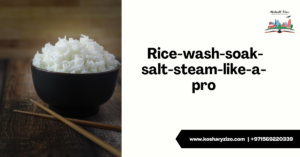
The process started by measuring rice with the same cup each time, because consistency beat guesswork. The grains went into a bowl, then cool water covered them, and a gentle swirl loosened starch without crushing the rice. The cloudy water got poured off carefully, and the rinse repeated until the water looked only lightly hazy, which usually took three to five rounds. The rice then soaked in clean water for a set window, and the window matched the grain type, with shorter soaks for delicate long-grain and longer soaks for sturdy short-grain. After soaking, the rice got drained well, then cooked with fresh measured water and a small pinch of salt, and the heat stayed steady rather than frantic. Once the water absorbed, the pot got covered and rested off heat, which let steam finish the texture and calmed the surface, a small pause that felt like the final polish.
H2: Best methods / tools / options
The stovetop pot method worked well for people who liked control and did not mind listening for changes in sound. A heavy-bottom pot reduced scorching and held heat evenly, which mattered when the water line dropped and the rice started to steam. A tight lid mattered more than most people admitted, because escaping steam left the top dry and uneven. A rice cooker offered repeatability and less stress, especially on busy evenings when the kitchen already felt loud. A fine mesh strainer helped draining without losing grains, and a clear bowl made it easier to judge water clarity during washing, even under dim kitchen lights. For most homes, the best option combined a simple bowl, a reliable pot or cooker, and the discipline to measure water the same way each time, because tools helped, but habits carried the result.
H2: Examples / templates / checklist
A practical template started with jasmine or basmati: rinse three to four times, soak for about fifteen to twenty minutes, drain, then cook with measured water and a small pinch of salt, and rest covered at the end. A second template suited medium or short-grain: rinse four to five times, soak for thirty minutes, drain thoroughly, then cook with slightly less water than a no-soak method and rest longer for steam to settle. A simple checklist kept the routine clean: measured rice, repeated rinses, clear-ish water, timed soak, full drain, fresh cooking water, pinch of salt, steady simmer, tight lid, and a final rest. In a small case-style example, a cook who rushed the process often ended with sticky rice and a scorched smell, but the same cook who soaked and rested the rice usually got separate grains and a softer aroma. The difference did not feel dramatic during cooking, but it showed up on the plate, where texture refused to hide. That checklist looked boring on paper, yet it saved time over weeks, which was the part people quietly loved.
H2: Mistakes to avoid
One common mistake involved over-washing with aggressive rubbing that broke grains and created more starch dust, not less, so the wash stayed cloudy forever. Another mistake involved skipping the drain after soaking, which added hidden water and turned the pot ratio into a sloppy guess. Some cooks added salt too early in the wash bowl and then poured it away, which wasted seasoning and left the final rice tasting oddly thin. A frequent failure came from lifting the lid during cooking, which released steam and forced uneven hydration across the pot, especially near the top layer. Another quiet error came from blasting heat to “speed things up,” which often scorched the bottom while the center stayed firm, a frustrating contrast. The most reliable fix stayed simple: measure, keep the lid closed, respect the rest, and accept that rice rewarded patience more than bravado, even on a tired weeknight.
H2: FAQs
Grain type and soak timing stayed important, because long-grain often needed a shorter soak while short-grain tolerated a longer one without falling apart. Water ratios after soaking usually shifted slightly downward, since soaked rice already carried water inside, and ignoring that often caused mushy results in the end. Salt level and flavor balance stayed modest, because rice needed support rather than a strong salty taste, especially when it paired with saucy mains. Rinsing and nutrition concerns came up often, and many cooks chose a lighter rinse for enriched rice while still removing surface dust, which kept a practical balance. Steam rest duration mattered, and five to fifteen minutes often made the grains feel more tender and less wet on the outside. Storage and reheating worked best when rice cooled quickly and reheated with a small splash of water and covered steam, which revived softness without turning it gummy, most days.
Trust + Proof Section
This method earned trust because it relied on repeatable kitchen signals, not vague luck. Cloudy rinse water looked different from clear water, and that visible change made the step feel grounded. Soaked grains felt heavier between fingers, and they cooked faster and more evenly, which reduced the anxious stirring that ruined texture. A steady simmer sounded gentle, almost like a soft hiss, and the final rest smelled warm and clean, not burnt. The credibility of the approach came from consistency across batches, because the same routine produced similar results in different kitchens and with different pots, even when the day felt messy. Author note: This guide was written in a practical home-cooking voice, with a focus on repeatable process and sensory cues rather than hype, and it was updated in January 2026.
Conclusion
The rice wash method worked because it treated rice like an ingredient with stages, not a single boiling event. Washing reduced surface starch, soaking hydrated the core, salting supported flavor, and steaming finished texture with quiet confidence. The routine felt small, but it changed meals in a way people noticed, especially when the grains stayed separate and soft. The best next step involved picking one grain type and repeating the same template for a week, because repetition built the instinct faster than reading did. If you needed a simple action, you saved the checklist into your notes and followed it once without improvising, even when it felt too basic. That single disciplined batch often became the new standard, and the kitchen felt calmer after.