I remembered the first time garlic met ghee in a hot pan. The air changed fast. The kitchen smelled warm, nutty, and a little sharp. I watched tiny bubbles gather around the garlic, and I felt oddly calm for a moment. I wrote this because many home cooks chased “more flavor” while missing the simplest anchor that already sat on the shelf.
Quick Answer / Summary Box
Garlic and ghee worked as a base that lifted almost any dish. I used low heat to bloom garlic in ghee, then I layered spices or aromatics after the aroma turned sweet. I finished with a small spoon of ghee for shine and roundness. I treated timing as the secret, because garlic turned bitter when it rushed.
Optional Table of Contents
This guide moved from the simple definition to why it mattered, then it walked through a step-by-step method, followed by practical options, copy-ready examples, common mistakes, short FAQs, and a final trust section with a clear next step.
H2: What it is (and why it matters)
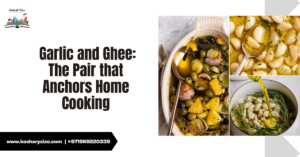
Garlic and ghee formed a quiet partnership that anchored home cooking across many kitchens. Garlic carried sharp sulfur notes that softened into sweetness when warmed, while ghee carried fat-soluble aroma and a toasted, buttery backbone. Together, they built a first layer that made later ingredients taste more like themselves. I noticed how vegetables tasted greener, lentils tasted deeper, and rice tasted more complete, even when I kept seasoning modestly.
The pairing mattered because it created reliable flavor with very little effort. Home cooking often failed at the start, not at the end. A weak base makes people over-salt, over-spice, or drown food in sauces. Garlic and ghee fixed that early weakness in a steady way, and it also gave comfort, that gentle “home” smell that hit the hallway before the plate reached the table.
A common misconception said garlic always belonged on high heat for speed. That approach often scorched it. Another misconception treated ghee like a luxury fat that only finished special dishes. I found ghee behaved like a working ingredient, not a trophy, and the value appeared in how it carried aroma without burning as quickly as whole butter.
H2: How to do it (step-by-step)
I started by choosing the form of garlic with intent. I used sliced garlic for gentle sweetness, minced garlic for stronger punch, and paste when I wanted the flavor to melt into the background. I warmed ghee on low to medium-low heat until it thinned and shimmered. I waited a few seconds longer than I wanted, because patience kept the flavor clean.
I added garlic and stirred slowly. The sound stayed soft, not loud. When the garlic smelled sweet and rounded, I moved to the next ingredient. If I added spices, I did it after garlic softened but before it browned, because spices bloomed well in the same fat. If I added onions, I sometimes started with onions first, then added garlic later, because garlic finished faster and punished impatience.
I followed simple “if X, do Y” branches when the dish changed. If the dish contained delicate herbs, I added them late so they stayed bright. If the dish used tomatoes, I cooked the garlic briefly first, then I added tomatoes to cool the pan and protect the garlic from burning. If the dish needed a crisp edge, I let the garlic edges turn pale gold, then I removed the pan from heat for a beat before adding the next item, just to calm the temperature a little.
I finished in one of two ways. I either stopped at the base and built the dish normally, or I saved a teaspoon of ghee for the end and drizzled it over the hot food. That final touch mattered more than people expected, and it made the whole bowl smell finished, not unfinished.
H2: Best methods / tools / options
The classic method suited everyday cooking the best. It used a small pan or the bottom of a pot, low heat, and a wooden spoon. It worked for lentils, vegetable sautés, soups, and quick rice. The pros included speed and consistency, and the con involved attention, because garlic turned from perfect to bitter in a short window. The effort stayed low, and I recommended it as the default for weeknight meals.
The slow-bloom method suited gentle dishes and meal prep. I warmed ghee on the lowest flame, added sliced garlic, and let it soften without browning much. The flavor came out sweet and mellow, almost like roasted garlic’s cousin. The pros included forgiveness and a calmer aroma, and the con involved time, because it demanded a few extra minutes. The effort stayed moderate, and I recommended it for soups, beans, and grain bowls.
The toasted-garlic method suited bold cooking and strong ingredients. I let minced garlic reach a light golden color in ghee, then I quickly added sturdy vegetables, chickpeas, or meat, letting the base cling and coat. The pros included depth and a faint nuttiness that felt rich, and the con involved risk, because one extra breath could burn it. The effort stayed moderate, and I recommended it only when the cook stayed focused, even if the phone buzzed.
The finishing-ghee method suited plated meals and clean flavors. I cooked the dish with neutral oil or modest ghee, then I warmed a teaspoon of ghee with a small pinch of garlic at the end and poured it over the dish. The pros included perfume and shine without heaviness, and the con involved restraint, because too much ghee muted freshness. The effort stayed low, and I recommended it for rice, eggs, roasted vegetables, and simple soups.
H2: Examples / templates / checklist
I used a simple template for a fast vegetable sauté. I warmed one tablespoon of ghee, added one clove of minced garlic, stirred for about thirty seconds, then added chopped vegetables and a pinch of salt. I finished with pepper or a squeeze of citrus, and the base carried the rest. The smell stayed comforting, and the vegetables tasted more complete.
I used another template for lentils that felt like home. I cooked lentils until tender, then I heated ghee in a small pan, added sliced garlic, and let it turn pale gold. I added cumin or chili flakes if I wanted heat, then I poured the sizzling ghee-garlic mix over the lentils. The top layer smelled intense, and the bowl felt like it had a story.
I used a rice template when leftovers looked dull. I warmed ghee, added garlic paste, stirred quickly, then added cooked rice and a pinch of salt. I tossed until the grains looked glossy. I added peas, scallions, or toasted nuts if I had them, but the base already did the heavy work. The rice tasted revived, not reheated, which felt like a small victory.
I kept a short checklist on the side, and it saved me more than once. I checked the heat first, because low heat protected garlic. I checked the garlic cut, because smaller pieces browned faster. I checked the aroma, because sweetness arrived before color changed. I checked the timing, because the next ingredient should have waited if the garlic still smelled raw.
H2: Mistakes to avoid
I burned garlic by rushing the heat, and the bitterness stayed in the mouth. The fix came from lowering the flame and letting ghee warm gently. I also used bigger garlic pieces when I felt distracted, because slices forgave me more than mince. That small change saved the dish, and it saved my mood too.
I used too much ghee when I tried to impress people. The dish tasted flat and heavy, which felt ironic. The fix came from treating ghee like a spotlight, not a floodlight. I used enough to carry aroma, then I stopped. The food tasted brighter, and the finish felt cleaner.
I added garlic at the wrong moment in long-cooked dishes. It disappeared and left a faint sharpness. The fix came from layering garlic in two moments: a little early for depth, then a tiny amount late for aroma. That approach sounded fussy, yet it felt natural once I practiced it.
I stored ghee poorly once, and it picked up pantry smells. The fix came from a clean jar, a dry spoon, and a cool shelf away from spices. The taste stayed pure when I respected those basics. The kitchen stayed quieter too, in a small way.
H2: FAQs
Garlic cut and flavor intensity
Minced garlic tasted sharper and more direct, while sliced garlic tasted sweeter and rounder. I used paste when I wanted garlic to dissolve into the base. I matched the cut to the dish’s strength, and the results stayed predictable.
Heat control and the “sweet spot”
Low to medium-low heat gave the best window. Garlic smelled sweet before it browned. I treated aroma as my timer, not the clock, which felt more human and less rigid.
Ghee selection for daily cooking
Plain ghee worked well for daily meals. I looked for a clean smell and a smooth texture. I avoided ghee that smelled stale or overly sharp, because it distracted from the dish.
Using garlic and ghee with spices
Ghee carried spice aromas well, especially warm spices and chili. I added spices after the garlic softened, then I stirred briefly to bloom them. I kept the time short, because spices also scorched when rushed.
Making food feel “finished”
A tiny spoon of ghee at the end changed the dish’s surface and aroma. It made soups smell fuller and rice look glossy. I kept it small, and the result felt intentional rather than oily.
Balancing richness with freshness
Ghee brought richness, so I balanced it with acids, herbs, or crunchy textures. I used lemon, yogurt, pickled onions, or fresh greens. That contrast kept the meal lively, even when the base stayed buttery.
Trust + Proof Section
I cooked with garlic and ghee in ordinary weeks, not in staged moments. I noticed the change on tired evenings when I had little energy and less patience. The smell alone lifted the room, and that mattered more than I admitted at first. Over time, I relied on a few repeatable cues—low heat, sweet aroma, and a restrained finish—and those cues delivered steady results when everything else felt noisy.
Conclusion
Garlic and ghee anchored home cooking because they built flavor early and finished it gently. The method stayed simple, but it rewarded attention in a calm way. I suggested trying the classic base three times in a week, then saving a teaspoon of ghee for finishing one dish, just to feel the difference. I also suggested keeping a small checklist on the fridge, because repetition turned this pair into a habit.