If you’ve ever strolled through an Emirati seaside town and caught the unmistakable scent of dried fish in the air — well, you’ve experienced a piece of history that’s still alive today. It’s not just about food. It’s about survival, tradition, and how people along the UAE’s coasts turned humble salt and fish into cultural pride.
I can clearly recall the very first time I tried maleh, the traditional Emirati salted fish. It was served with steaming rice, onions, and lemon. At first bite, I thought, “Wow, this is salty — like, seriously salty.” But then the flavors grew on me. Smoky, bold, deep with character. It made me realize this dish was never created to cater to tourists. It was made to preserve fish in a scorching desert climate, to feed families when fridges weren’t around. That’s the beauty of salted fish & local salt traditions in the UAE — simple yet powerful, old yet timeless.
Why Salt Was More Than Just a Seasoning
Problem:
Today, we sprinkle salt without thinking. But back in the day, Emiratis relied on it as a lifeline. Fish spoiled fast under the desert sun, and without refrigeration, waste was inevitable. Families needed a way to store protein for weeks, sometimes months.
Agitate:
Imagine fishing all morning, only to watch your catch rot within hours. That was the constant battle for coastal communities. Without salt preservation, survival would’ve been much harder.
Solution:
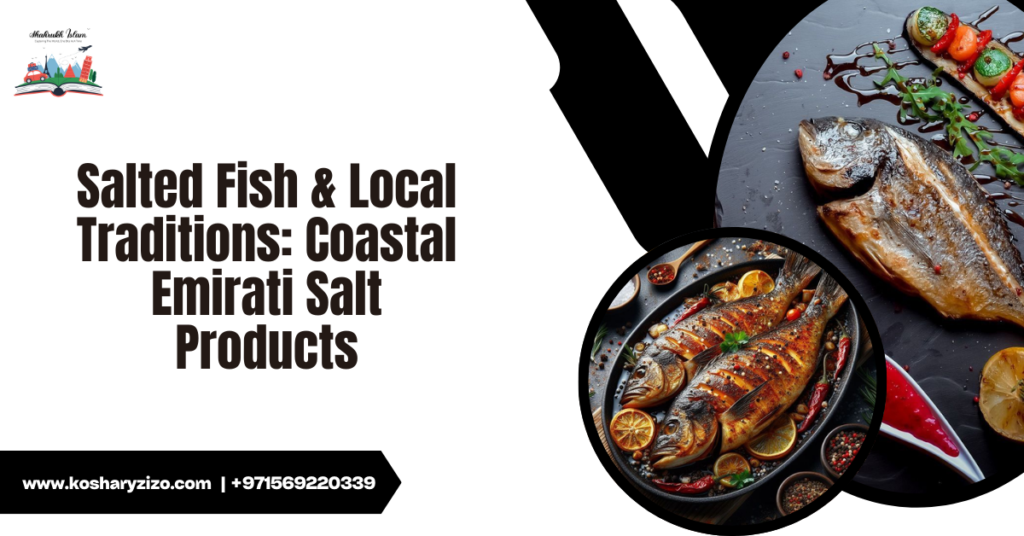
The answer? Salt. The ocean provided both fish and the means to preserve it. Emiratis used sea salt to cure fish, turning fragile fresh catches into something that could last. That tradition lives on today in foods like maleh, jerky-like dried fish, and even artisanal salt products that chefs now use in gourmet kitchens.
Maleh – The UAE’s Iconic Salted Fish
Ask any Emirati elder about traditional food, and they’ll almost always mention maleh.
- What is it? Fish (often kingfish, tuna, or grouper) that’s cleaned, heavily salted, and left to dry under the sun.
- How’s it eaten? Usually cooked with rice, onions, and spices — or sometimes just enjoyed with fresh bread.
- Why it matters: Maleh is a symbol of endurance. It’s proof of how coastal families survived harsh summers with nothing but ingenuity.
I once joined a local family in Fujairah for lunch. They laughed as I squinted at my first bite of maleh, saying, “It takes three tries before you fall in love with it.” They were right. By the third taste, I was hooked.
The Art of Salt Harvesting in Emirati Tradition
Coastal villages didn’t just use salt for fish — they collected and traded it. Salt flats along the Gulf coast were natural treasure troves.
- Collection: Families would gather sea salt left behind after tide pools dried up.
- Uses: Beyond conserving fish, swab was bartered, traded, and indeed used in early heartiness rituals.
- Today: Artisanal Emirati mariners( occasionally invested with sauces or smoked) are popping up in requests, feeding to cooks who love original constituents.
So while Himalayan pink swab might dominate Instagram posts, Emirati ocean swab has its own proud story embedded in community survival.
Local Dishes that Celebrate Salted Fish
It’s not just about preservation anymore. Salted fish has become the heart of beloved Emirati dishes.
- Maleh with Rice (Maleh wa Ruz): The most classic version — salty fish, rice, and onions balanced with tangy lemon.
- Maleh Sauce: A condiment made by boiling salted fish with tomatoes and spices.
- Breakfast Maleh: Some families still serve small pieces with fresh bread and tea.
- Modern twists: Chefs in Dubai now use maleh in pasta sauces, salads, and even gourmet bites at fusion restaurants.
Want to taste authentic Emirati flavors? Visit Koshary Zizo — a spot that mixes classic Emirati flavors with a modern twist.
Quick Guide – Emirati Salted Fish & Salt Products
| Product | Description | Traditional Use |
| Maleh (Salted Fish) | Salt-cured dried fish | Cooked with rice, eaten with bread |
| Dried Anchovies | Small sun-dried fish | Soups, stews, snacks |
| Sea Salt (Harvested) | Naturally dried salt from coastal flats | Preserving, seasoning, trading |
| Infused Emirati Salts | Modern blends with herbs/spices | Gourmet cooking, food gifting |
| Maleh Sauce | Condiment made from salted fish | Dips, side dish, flavoring |
Why Salted Fish Still Matters in Modern UAE
For some, salted fish may feel like a “poor man’s food.” But look closer, and you’ll see why it’s still cherished:
- Cultural Identity: Maleh connects younger generations to their roots.
- Health Benefits: Naturally preserved, protein-rich, and surprisingly nutritious.
- Economic Value: Local farms and fisheries still sell maleh, keeping small businesses alive.
- Tourism & Foodie Culture: Visitors seek authentic experiences, and nothing feels more local than tasting traditional salted fish.
FAQs – Salted Fish & Emirati Salt Traditions
Q: What is maleh in UAE cuisine?
A: Maleh is Emirati salted fish, preserved with sea salt and sun-dried, then cooked into meals or served as a side.
Q: Why did Emiratis traditionally salt fish?
A: To preserve catches in the desert climate, since refrigeration wasn’t available in the past.
Q: Can you still buy traditional interspersed fish in the UAE?
A: Yes, maleh is extensively available in requests across Abu Dhabi, Dubai, and northern emirates.
Q: Are Emirati mariners different from imported bones ?
A: Yes, Emirati ocean swab is gathered naturally from littoral apartments and carries the region’s unique mineral profile.
Q: Is interspersed fish still eaten?
A: Surely. It’s part of Emirati heritage, and numerous caffs serve it in both traditional and ultramodern styles.
Wrapping It Up
When you think about salted fish & local traditions: coastal Emirati salt products, you’re looking at more than food. You’re looking at survival skills turned into culture, and culture turned into pride. From families in Ras Al Khaimah drying maleh in the sun, to Dubai chefs reimagining salted fish in modern dishes, the journey of salt in Emirati life is extraordinary.
Curious about more?
- Check the latest [UAE job listings] if you’re looking to work in food & hospitality.
- Compare [car insurance quotes here] before your next coastal road trip.
- See the best [money transfer services for UAE to Bangladesh] if you’re an expat sending money home.
Because in the UAE, salt isn’t just seasoning — it’s a story of resilience, heritage, and community.