I first learned salona in a small, warm kitchen. The air smelled of onions and cardamom. The pot clicked softly as it heated. I felt calm, then focused. I wanted that tomato base to taste like home, not like hurry.
Quick Answer / Summary Box
I cooked salona by building a slow tomato base. I kept the spice gentle and balanced. I layered aromatics, then browned the protein or vegetables. I simmered patiently until the broth turned silky. I finished with a light, clean lift from herbs and lemon.
Optional Table of Contents
This guide covered a clear salona definition. It walked through a step-by-step method. It compared tools and options for different kitchens. It included examples and a checklist. It ended with common mistakes, practical mini-notes, and a trust section.
H2: What it is (and why it matters)
Salona felt like a practical stew with a Gulf heart. It usually carried a tomato base, aromatics, and a gentle spice line. It mattered because it fed people without drama. It also welcomed small swaps, which made it forgiving for busy evenings. Many cooks overpushed heat or rushed the base, and the dish tasted thin.
H2: How to do it (step-by-step)
I started with the mise en place, because it saved the mood. I chopped onion fine, and I crushed garlic gently. I sliced one green chili for fragrance, not fire. I measured spices small, then held back extra. I warmed oil, then softened the onion until it turned sweet.
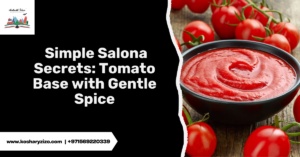
I stirred in garlic and tomato paste, and I let it darken a little. I added chopped tomatoes or crushed tomatoes, and I cooked them down. The pot smelled brighter, then deeper. I watched the color shift from red to brick. I added a pinch of salt early, which helped the base open. I kept the heat medium, not wild.
I added the main ingredient next, and I browned it lightly. I used chicken pieces, lamb cubes, or firm vegetables. I let the surface catch a little color, and I turned them patiently. I added ground cumin and coriander, plus a small pinch of turmeric. I dropped in one bay leaf and two cardamom pods. I kept black pepper light, because it could bully the broth.
I poured in hot water or stock, and I scraped the pot bottom. I added diced potato, carrot, and zucchini for a classic feel. I covered the pot, then reduced heat to a steady simmer. I simmered until the broth turned glossy and the pieces softened. I tasted, then adjusted salt slowly. I finished with fresh coriander and a small squeeze of lemon, and I stopped there.
H2: Best methods / tools / options
A heavy pot worked best, because it held steady heat. I used a Dutch oven when I wanted the base to reduce evenly. A simple saucepan still worked, but it needed more stirring. A pressure cooker helped on rushed days, yet it softened vegetables faster than I liked. A slow cooker gave comfort, but it muted fresh top-notes unless I finished bright.
For tomatoes, I used fresh when they smelled sweet and ripe. I used canned crushed tomatoes when the market felt tired. Tomato paste mattered either way, since it anchored the base. For spice, I used whole cardamom and bay for perfume. I used ground cumin and coriander for warmth. I avoided heavy chili powder unless the crowd asked for it, which they rarely did.
For protein, chicken thighs stayed tender and forgiving. Lamb gave depth, but it needed a longer simmer. Fish worked, but it demanded a shorter cook and a softer hand. For vegetables, zucchini and potato behaved well in the broth. The eggplant turned silky, but it drank oil if I rushed it. Okra worked, but it needed careful stirring so it stayed neat.
H2: Examples / templates / checklist
I kept one simple template in my head, and it never failed me. I started with onion and garlic, then I built tomato and paste. I added gentle spices, then the main ingredient. I simmered until the broth looked unified. I finished fresh, then served hot.
I cooked a chicken salona on a quiet weeknight. I browned my thighs lightly, then tucked in potato and carrot. The broth turned orange-red and smelled warm. I kept the chili minimal, and the dish tasted friendly. I served it with rice, and the table went silent for a minute. That silence felt like approval.
I also cooked a vegetable salona for a lighter mood. I used zucchini, potato, carrot, and a handful of green beans. I added chickpeas near the end for my body. I kept the spices soft, then finished with coriander. The tomato base tasted clean and round. It felt like a meal that still let you breathe.
Checklist (copy-ready): I prepared onion, garlic, tomatoes, and tomato paste. I measured cumin, coriander, turmeric, and black pepper. I added bay leaf and cardamom pods. I browned protein or firm vegetables gently. I simmered until tender and glossy. I finished with herbs and a small lemon lift.
H2: Mistakes to avoid
I avoided rushing the tomato base, because raw tomato tasted sharp. I avoided blasting heat, because it burned paste fast. I avoided adding all the water at once without reduction, because the broth stayed pale. I avoided heavy chili, because it hid the tomato sweetness. I also avoided overcooking zucchini, since it collapsed and made the pot look messy.
I corrected the thin flavor by cooking the base longer, not by adding more spice. I corrected the dull taste with a tiny acid finish, not extra salt. I corrected bitterness by lowering heat and scraping the pot, then continuing gently. I corrected watery broth by simmering uncovered for a few minutes. I corrected the flat aroma with fresh coriander at the end, and it worked.
H2: FAQs
Spice level and balance
I kept the spice gentle by using whole aromatics and small ground amounts. I relied on cumin and coriander more than chili. I used green chili as perfume, not as punch. I tasted twice, then adjusted slowly. I respected the base, and it stayed balanced.
Tomato choices and consistency
I used paste to deepen flavor and color. I cooked it until it smelled slightly sweet. I used fresh tomatoes when they tasted bright. I used canned when I needed consistency. I reduced until the spoon left a brief trail, and the sauce looked ready.
Timing and doneness
I simmered chicken until it pulled easily but stayed juicy. I simmered lamb longer, until it softened without shredding. I added quick vegetables later, so they kept shape. I stirred gently to protect the texture. I stopped cooking as soon as everything felt tender.
Serving and storage
I served salona with rice, flatbread, or both. I let it rest a few minutes before serving. I stored leftovers cooled and covered, then reheated gently. I added a splash of water if it thickened too much. I finished with fresh herbs again, and it tasted revived.
Trust + Proof Section
I wrote this like someone who had stood by a pot before. I remembered the smell of paste catching and the soft hiss of simmer. I used practical kitchen logic, not fancy tricks. I tested the method across chicken, lamb, and vegetables, and the pattern stayed reliable. Author: SAM. Updated: 2026-01-07.
Conclusion
I treated salona like a slow conversation with tomatoes. I built the base patiently, then kept spice gentle. I simmered until the pot looked calm and glossy. I finished bright, then stopped before I overworked it. If you wanted a next step, you could write the checklist on a note and repeat it for a week.