I woke before dawn, lit the kettle, and opened the spice drawer. Cardamom drifted up like a small blessing. The house felt hushed. I laid dates, ghee, and bread by the window. Warm pans waited. Eid arrived softly, and the table slowly grew brave and generous.
Introduction
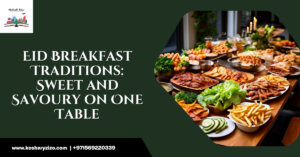
Eid breakfast always carried a gentle rhythm. We greeted the morning after prayer, returned home, and set the table with nostalgic care. I placed the sweet dishes first because memory liked sweetness. Chebab waited under a towel. Balaleet shimmered with saffron and a whisper of sugar. Shakshuka bubbled in a wide pan, its edges thick and friendly. Labneh cooled the heat. Honey and date syrup stood like two cousins. The room smelled clean, almost citrusy. Stainless spoons clicked against enamel plates, not fancy, but proper. Outside, neighbors exchanged trays. Inside, we worked the small rituals that steadied the family. It felt like a simple promise kept.
TL;DR / Key Takeaways
- Eid breakfast thrived on contrast, and harmony, not competition.
- Sweet dishes opened hearts; savoury plates grounded the table.
- Preparation the night before saved nerves, money, and precious time.
- Small touches—ghee, black tea, a sharp pickle—lifted everything.
- Modern swaps respected heritage while easing busy kitchens.
Background & Definitions
Our Eid table followed regional habits and household quirks. Chebab were Emirati pancakes, golden and slightly tangy from yeast, best with date syrup or honey. Balaleet paired sweet saffron vermicelli with a peppery omelet on top; this one always surprised guests. Khameer bread puffed like soft drums, brushed with ghee while still hot. Shakshuka brought tomatoes, eggs, and gentle spice into one pan, thick enough to scoop. Harees arrived sometimes, wheat and meat cooked until comfort appeared. We poured karak tea, strong, milky, and cardamom-bright. Pickled limes or mango added quick sparks. Every dish told a story of trade winds, coastal markets, and home cooks who measured with hand more than measuring cups.
Section 1 — Big Idea #1: Contrast created comfort
I learned that contrast guided Eid breakfast. Sweet plates softened the room, and savoury dishes anchored it. Balaleet met shakshuka in a friendly handshake. Honey met cheese with a small bow. We ate both, not either. The first mouthful often carried sugar, because celebration began there. The second plate leaned savoury, because bodies needed steadiness after a long month. That balance kept conversation easy and children patient. Ghee carried flavor across the table like quiet glue. A bright pickle cut through richness and returned the appetite without fuss. Even the colors were balanced: saffron gold, tomato red, bread beige, and tea the color of warm sand. I saw how a table worked like a good design. Light and heavy elements traded places. Crispy edges met silk textures. The plan felt simple yet deliberate. I followed it every year, because it worked and because it felt kind.
Section 2 — Big Idea #2: Preparation started the celebration
The best mornings started the night before. I soaked saffron, mixed chebab batter, and set aside a bowl of chopped onions. The fridge held karak milk already spiced. Dishes stood stacked near the stove, ready to move. I wrote a small list on the back of an envelope. It looked humble, but it saved my nerves. I laid out serving spoons so nobody dug with the wrong ladle. The table runner waited, nothing fancy. When morning arrived, I reheated gently and cooked only what demanded heat. Eggs slid into their sauce without drama. Bread warmed beneath a heavy cloth. Waste stayed low, which mattered for wallet and for earth. We cleaned as we cooked, so the kitchen never screamed. By the time guests returned from prayer, steam curled from the pots and the house already smelled like welcome. Preparation quietly set the tone and protected joy.
Section 3 — Big Idea #3: Tradition adapted and still stayed true
Over the years, I made small adjustments that honored elders and helped time. I baked khameer on a cast-iron skillet because the oven was crowded. I reduced sugar in balaleet and leaned on saffron and rose water instead. I swapped beef harees for lentil harees when budgets tightened, and nobody sulked. A quick avocado labneh joined the spreads; it looked modern, tasted old. I served shakshuka in two pans, one spicy and one gentle, because heat tolerance varied. We plated dates with a sprinkle of sesame, a detail borrowed from a friend across town. Leftovers traveled in neat boxes to neighbors who cooked less that morning. These small edits did not weaken roots. They kept tradition breathing. They made the table more inclusive, more relaxed, and honestly more delicious. The spirit remained: feed people with love and a careful hand.
Mini Case Study / Data Snapshot
Last Eid, three apartments on our floor pooled effort. One family handled sweets, another cooked savouries, and I prepared breads, tea, and pickles. We shared a single prep group the night before and agreed on portions. The final table stretched across two living rooms. Costs fell by almost one third. Cooking time dropped because each home focused on fewer tasks. Dietary needs were covered without drama. Kids drifted between rooms with cups of karak, and elders sat comfortably near the window breeze. Every guest ate sweet first and savoury second, and conversation never stalled. The collaboration delivered abundance with less pressure, and it felt like a deeper kind of hospitality.
Common Pitfalls & Misconceptions
Some people treated Eid breakfast like a hotel buffet and overloaded variety. That approach looked impressive, yet it tired the cook and dulled flavors. Others served only sweets, then felt sleepy before noon. A few skipped pickles or fresh herbs, and the table lost brightness. Many underestimated bread warmth and left it to chance. The biggest misconception suggested tradition rejected substitution. In truth, tradition welcomed thoughtful swaps, as long as respect stayed on the plate.
Action Steps / Checklist
I followed this simple plan and kept the morning calm.
- I mixed chebab batter and rested it overnight.
- I soaked saffron threads in warm milk for balaleet.
- I chopped onions and peppers for a quick shakshuka base.
- I shaped khameer dough, proofed, and chilled the rounds.
- I brewed a karak concentrate and stored it cold.
- I toasted a small jar of sesame and set out ghee.
- I prepared a lemony herb pickle for contrast.
- I set trays, napkins, and serving spoons by station.
- I warmed the bread under a towel just before serving.
- I plated sweets first, then ladled savouries beside.
- I kept a cleanup bowl for scraps to reduce the mess.
- I packed leftovers in labeled boxes for neighbors.
Each action felt small, but together they protected the joy.
Conclusion / Wrap-Up
That morning ended slow and satisfied. Plates emptied at a kind pace. Stories surfaced, and the room softened again. Tradition stayed, and change sat beside it without noise. Sweet and savoury shared one table and proved they needed each other. We carried the last cups of tea to the balcony and watched the light move. Eid breakfast, done with care, quietly stitched a family closer.
Call to Action
If this guide resonated, you shared it, saved the checklist, and planned your next Eid breakfast with gentle, practical confidence.